Review: Future Planet Classroom Earth Day Shirt Design
As an embroidery designer who has spent countless hours digitizing and testing files for real-world application, I approach every new machine embroidery design with a critical eye. It is not enough for a graphic to look good on a screen; it must translate flawlessly into thread. Recently, I evaluated the Future Planet Classroom Earth Day Shirt design, a piece categorized under Freebies and Graphics, to determine its viability for professional use. My goal was to assess whether this asset could hold up in a commercial setting, specifically for eco-conscious apparel and educational merchandise.
First Impressions and Visual Personality
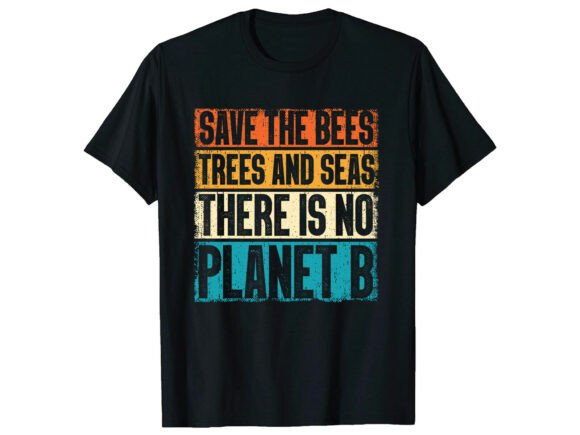
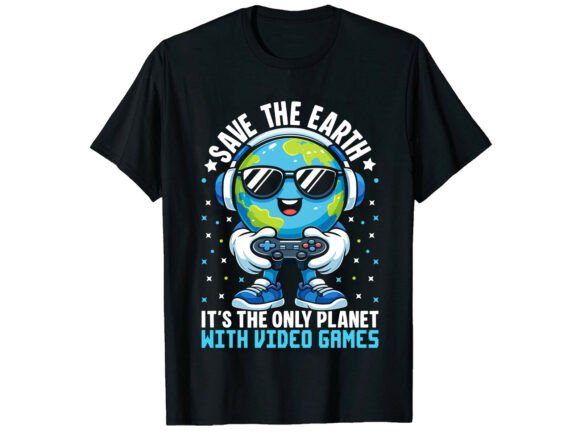
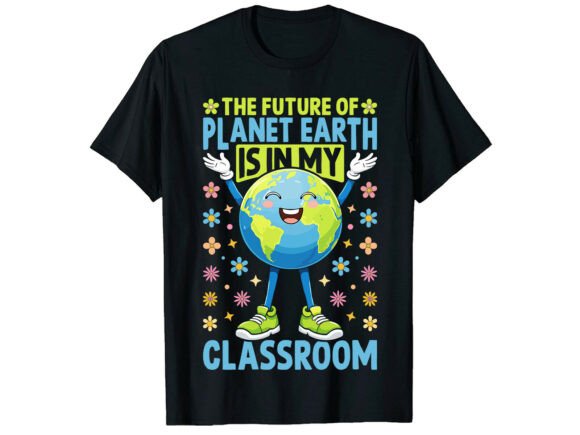
The initial visual impact of the Future Planet Classroom Earth Day Shirt is inviting and purposeful. The layout balances playful typography with symbolic imagery, creating a mood that is both educational and celebratory. For designers, the shape and flow of the elements suggest a moderate level of complexity. It does not rely on excessive micro-details that often cause registration issues on home machines, nor is it so sparse that it lacks presence on a garment. The visual personality aligns perfectly with the current demand for sustainability-themed products, making it a timely addition to any digital library.
When I first loaded the file into my editing software, I looked closely at the node structure. The curves appeared smooth, which is a positive indicator for satin stitch execution. Jagged nodes often lead to thread breaks or uneven coverage, but this design seemed clean. The thematic focus on Earth Day means the color palette will likely lean toward greens, blues, and earth tones. This provides a great opportunity to experiment with variegated threads or metallic accents to add depth to the embroidery project.
Real-World Application: From Screen to Stitch
To truly understand the value of this design, I simulated its use in a common client scenario: a custom order for a local elementary school’s Earth Day fair. The request was for personalized tote bags and teacher sweatshirts. This is where the Future Planet Classroom Earth Day Shirt design shines. On a canvas tote bag, the design’s structure provides enough coverage to look substantial without being overly heavy. The tote bag design market is saturated, but unique, meaningful graphics like this one help products stand out.
For sweatshirt embroidery, the design performs well because the underlying fabric provides a stable base. However, I noticed that the spacing between certain text elements and graphical icons requires careful hoop placement. If the design is too wide, it may not fit comfortably on smaller adult sizes without distorting the chest area. I recommend measuring the specific garment before stitching. For custom apparel aimed at children, the scale might need adjustment. While I cannot provide exact dimensions without the specific file metadata, scaling down a design can sometimes compromise stitch integrity if the original density is high.
Versatility Across Product Lines
Beyond apparel, this graphic has potential as an embroidered patch. Patches are a trending item for Etsy sellers and small shop product lines. If the design allows for a simple border or if you add one during digitizing, it becomes a versatile iron-on or sew-on accessory. The clear lines would translate well to a twill backing, giving it a professional boutique finish. Additionally, consider using this for holiday embroidery projects throughout April, or even as part of a science-themed nursery decor set. The educational angle makes it suitable for baby embroidery items like bibs or onesies, provided the size is reduced appropriately and soft threads are used.
Technical Considerations and Stitching Challenges
While the design is appealing, practical application requires attention to technical details. One area of concern is the potential for dense stitch areas. If the design uses heavy fill stitch regions for the planet or background elements, it can cause puckering on lighter fabrics. I strongly advise using a cut-away stabilizer for knit fabrics like t-shirts and sweatshirts to maintain shape. For woven fabrics like aprons or pillow covers, a tear-away might suffice, but testing is essential.
Textured fabrics present another challenge. If you are stitching this on a terrycloth towel or a fuzzy fleece blanket, the finer details may get lost. In such cases, increasing the stitch length slightly or using a topping can help the design sit on top of the pile rather than sinking in. For dark fabric applications, ensure your thread colors have sufficient contrast. A dark green on a black shirt will vanish. This is where creating a printable mockup or doing a test stitch on scrap fabric saves time and materials.
Curved surfaces, such as caps, require extra caution. The Future Planet Classroom Earth Day Shirt design may need to be split or significantly resized to fit the limited hoop space of a cap frame. Complex curves can distort on the curved surface of a hat brim or crown. If you are new to cap embroidery, start with a flat test piece to check how the satin stitch edges behave under tension.
Enhancing Brand Value and Customer Trust
For craft business owners, the quality of the finished product directly influences brand perception. A clean, well-stitched design builds customer trust. When buyers see consistent stitch quality and thoughtful design choices, they are more likely to return. Using a high-quality digital embroidery file like this one, when properly executed, elevates the perceived value of the handmade product. It moves the item from a simple craft to a professional-grade personalized gift.
Moreover, the theme of sustainability resonates with a specific demographic. By offering products featuring the Future Planet Classroom Earth Day Shirt design, you align your brand with environmental awareness. This can enhance buyer engagement and social media shareability. Customers often look for meaning in their purchases, and this design delivers that narrative effectively. Whether used for commercial embroidery runs or single custom orders, the design supports a cohesive brand story focused on care and consciousness.
Practical Designer Notes for Best Results
Before committing to a full production run, follow these practical steps to ensure success with this design:
- Test on Scrap Fabric: Always stitch a sample on the same material and layering you intend to use for the final product. This reveals tension issues and color clashes early.
- Check Thread Contrast: View your design in grayscale to ensure all elements are distinguishable. Adjust thread choices if necessary for better visibility.
- Review Stitch Density: If the design feels stiff after stitching, consider reducing the density in your editing software or using a lighter weight thread.
- Confirm Hoop Size: Ensure the design fits within your machine’s maximum hoop area with adequate margin for clamping.
- Inspect Small Details: Zoom in on tiny text or intricate lines. If they are too small, they may not stitch out cleanly and might need simplification.
- Licensing Verification: Since this is listed under Freebies, carefully read the license terms. Confirm whether it allows for commercial embroidery sales or if it is for personal use only. Never assume; always verify.
In conclusion, the Future Planet Classroom Earth Day Shirt design offers a solid foundation for various embroidery applications. With careful attention to fabric choice, stabilizer selection, and stitch optimization, it can become a standout element in your portfolio. Whether you are creating design assets for digital sale or physical goods for your small shop, this graphic holds promise. Treat it with the technical respect it deserves, and it will reward you with high-quality, meaningful finished products.