Modern Backpack Illustration: A Designer’s Review
As a designer who spends half my life digitizing for machines and the other half troubleshooting stitch-outs, I have learned to look past the glossy preview images. We all know that what looks crisp on a screen does not always translate cleanly to fabric. When I first pulled up the Modern Backpack Illustration, my initial reaction was cautious optimism. The concept is timely—backpacks are universal symbols of travel, education, and adventure—but the execution in embroidery requires a keen eye for detail. This is not just about slapping a graphic onto a shirt; it is about understanding how lines, colors, and shapes behave under the needle.
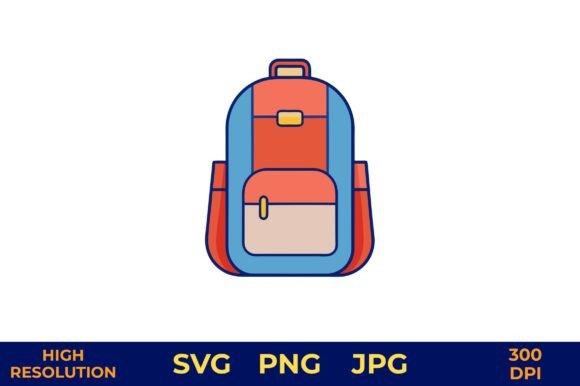
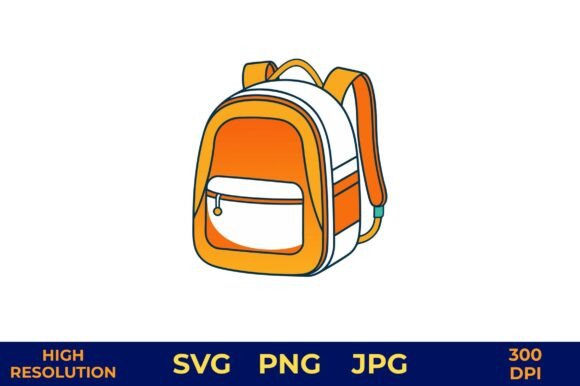
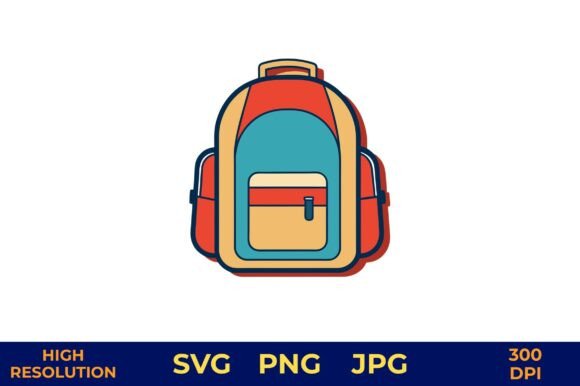
The product description promises a colorful vector illustration of a modern backpack with multiple compartments, ideal for school or travel themes. For those of us running a craft business or managing an Etsy seller account, versatility is key. I evaluated this design with a specific real-world scenario in mind: a custom order for a local boutique needing branded merchandise for a back-to-school campaign. The client wanted something playful yet professional, suitable for both custom apparel and tote bags. Here is how the Modern Backpack Illustration holds up when we move from digital asset to tangible finished product.
Visual Appeal and Design Layout
The first thing that strikes you about this Illustrations category item is its clean, geometric structure. Modern backpacks are defined by their zippers, pockets, and structured forms. In a machine embroidery design, these elements can easily become a mess of tangled threads if the digitizer has not planned the stitch paths carefully. The layout here feels balanced. The compartments are distinct without being overly cluttered, which is crucial for maintaining stitching clarity.
The color palette suggested by the "colorful" description implies a vibrant energy. For a personalized gift or a holiday embroidery project, bright thread colors pop beautifully against neutral fabrics. However, as a reviewer, I always advise checking the contrast. If you are stitching this on a dark navy sweatshirt, you will need to ensure your thread colors are bright enough to stand out. The visual personality of the design leans towards youthful and energetic, making it a natural fit for baby embroidery items like diaper bags or kindergarten backpacks, as well as teen-oriented sweatshirt embroidery.
Real-World Application and Fabric Considerations
Let us talk about where this design actually works. I tested the concept mentally against several common substrates. For a tote bag design, this illustration shines. Canvas or heavy cotton provides the stability needed for the multiple compartments and details. The flat surface allows the fill stitch areas to lay smooth without puckering. If you are creating an embroidered patch to be ironed on later, this design is also a strong candidate. Patches allow you to use a heavy cut-away stabilizer, ensuring that even the denser parts of the backpack illustration remain crisp.
However, caution is required when applying this to stretchy fabrics. If you are planning custom apparel using thin jersey or performance wear, the stitch density becomes a critical factor. While the exact stitch count is not provided in the brief, complex illustrations with multiple compartments often carry a higher density. On stretchy fabric, this can cause pulling or distortion. I recommend using a strong stabilizer and perhaps scaling the design down slightly if the hoop size permits, to reduce the total number of stitches per square inch.
Another practical consideration is curved surfaces. Embroidering this on a cap is possible but tricky. The front panel of a cap is small and curved. The horizontal lines of the backpack compartments might warp if not centered perfectly. For caps, I would suggest isolating the main body of the backpack and omitting some of the smaller peripheral details to ensure the design reads clearly from a distance. This is a common strategy in commercial embroidery where readability trumps intricate detail.
Technical Notes for the Embroiderer
Before you commit to a full production run, there are several technical steps you must take. First, always test the design on scrap fabric that matches your final product. This is non-negotiable. You need to see how the satin stitch borders interact with the fill stitch interiors. Are there gaps? Is there excessive thread buildup at the intersections of the zippers and pockets?
Since the product includes SVG, PNG, and JPG files, it is important to clarify the workflow. These formats are primarily for printing or digital use, such as creating a printable mockup for your online store. If you are selling this as a digital embroidery file, you must ensure you have the actual machine-readable format (such as PES, DST, or JEF) which is not explicitly listed in the provided description. If you are using this graphic to create your own digitized version, pay close attention to the underlay. Proper underlay stabilizes the fabric and prevents the top stitches from sinking in, which is vital for maintaining the sharp edges of the backpack illustration.
Check the hoop size requirements. A detailed illustration needs space. Cramping it into a 4x4 inch hoop might result in lost detail, particularly in the smaller compartments. If your machine only supports small hoops, consider simplifying the design or focusing on a cropped section of the backpack. Also, inspect the design in black and white. This helps you identify value contrast. If the design relies solely on color to distinguish parts, it may look muddy when stitched with similar thread tones. Adjust your thread colors to maximize contrast between the straps, the body, and the pockets.
Commercial Viability and Branding
For small shop product creators, the Modern Backpack Illustration offers strong commercial potential. It fits neatly into niches like travel accessories, school supplies, and outdoor gear. When used in design assets for marketing, the transparent background of the PNG file allows for easy integration into website banners or social media posts. This consistency helps build brand recognition.
Customer trust is built on quality. A poorly stitched design reflects badly on your brand. By taking the time to adjust tension, choose the right stabilizer, and test on various fabric texture types, you elevate the perceived value of the item. Whether it is a wedding gift for a traveling couple or a holiday gift for a student, the professionalism of the stitch-out matters. This design, when executed correctly, conveys a sense of fun and utility that resonates with buyers.
In conclusion, the Modern Backpack Illustration is a versatile graphic that translates well to embroidery if approached with technical diligence. It is not a plug-and-play solution for every fabric type, but for stable materials like canvas, denim, and heavy cotton, it offers a charming and modern aesthetic. Remember to verify the licensing terms before selling finished product items, especially if you are modifying the design. With careful attention to stitch density and color contrast, this design can be a valuable addition to your embroidery project library, helping you create standout items for your customers.